US Pauses Immigrant Visa Appointments Worldwide as Trump Tightens Immigration Rules
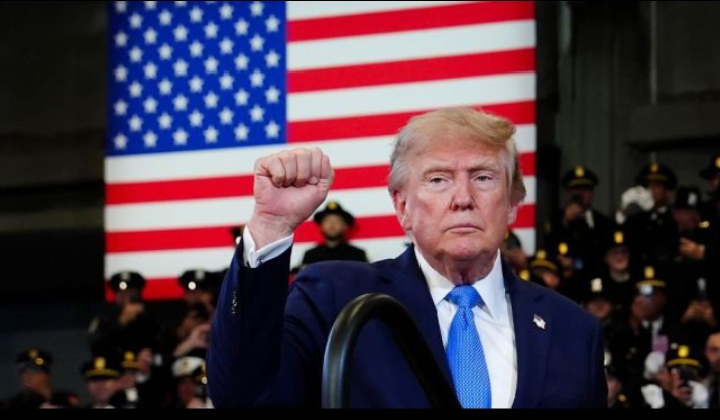
The United States has temporarily paused immigrant visa appointments at its embassies and consulates worldwide as the administration of President Donald Trump introduces stricter screening measures aimed at determining whether prospective immigrants are likely to depend on Government benefits.
The development affects people seeking U.S. immigrant visas, including many applicants pursuing family-based and employment-based permanent residence through consular processing. It does not amount to a suspension of every category of U.S. visa, as non-immigrant visa categories such as tourism, student and temporary-work visas are not covered by the global immigrant-visa appointment pause.
According to the U.S. State Department, the disruption is linked to a global training initiative launched earlier this month. Consular officers are being given additional training to ensure they can assess applicants consistently, particularly on whether an applicant could become a “public charge”, meaning someone considered likely to depend substantially on certain U.S. public benefits.
The State Department said the training is intended to ensure that consular officers are adequately equipped to conduct comprehensive evaluations of visa applicants.
Scheduled interviews affected
The pause has already disrupted applicants who had completed lengthy immigration processes and secured interview dates.
Reports indicate that some applicants with previously scheduled interviews received emails informing them that their appointments had been cancelled or adjusted. They are expected to receive new dates, but the State Department has not announced when normal immigrant visa appointment scheduling will resume.
The uncertainty is particularly significant for applicants who have already paid visa fees, booked flights, arranged accommodation and made other preparations for interviews at U.S. diplomatic missions.
Immigration lawyers and advocates have expressed concern that the sudden changes could impose substantial financial and personal costs on families who have spent months or years completing the immigration process.
Nigeria among Countries already facing tougher U.S. visa restrictions
For Nigerians, the latest development comes against the backdrop of existing U.S. immigration restrictions.
The State Department had already placed Nigeria among a large group of countries whose immigrant visa issuance was paused under an earlier policy based on concerns about applicants becoming dependent on U.S. public assistance. The January 2026 policy specifically listed Nigeria among the affected nationalities.
The U.S. Government has also introduced a pilot procedure under which certain immigrant visa applicants may be required to obtain a Public Charge Bond through U.S. Citizenship and Immigration Services if consular officers determine that additional financial assurances are necessary.
The State Department says an applicant facing a public-charge concern may overcome the issue by providing sufficient evidence demonstrating that they are unlikely to become dependent on public assistance.
The United States also recently reorganised routine visa services in several African countries, including Nigeria. From August 1, 2026, routine visa services in Abuja were included in a regional-hub realignment, with applicants directed to designated locations for certain categories of visa processing. The State Department said existing visa suspensions, bond requirements and immigrant-visa pauses for certain nationalities remain applicable.
Latest move follows court defeat for earlier visa restrictions
The worldwide appointment pause comes shortly after a U.S. federal judge struck down an earlier Trump administration policy that suspended immigrant visa processing for nationals of 75 countries.
U.S. District Judge Jeannette Vargas ruled that the policy exceeded the authority granted to the State Department under federal immigration law. The decision was significant because the earlier restriction had also been justified partly by concerns that immigrants from affected countries could become dependent on public benefits.
Rather than immediately abandoning its broader immigration objectives, however, the administration has continued to introduce new screening measures.
The latest training initiative therefore represents a shift from a country-based restriction toward more intensive scrutiny of individual applicants, particularly their ability to support themselves financially after entering the United States.
Visa cancellations add to immigration crackdown
The immigrant-visa pause is only one part of a wider immigration enforcement campaign by the Trump administration.
The State Department has also announced plans to revoke certain tourist and business visas held by people who entered the United States on temporary B1/B2 visas and subsequently applied for asylum.
Officials said the measure would target people who obtained such visas between 2016 and 2026 and later sought asylum or are currently seeking asylum. The State Department has not confirmed the number of affected individuals, saying the revocations would be conducted on a rolling basis.
The White House has reportedly suggested that as many as 200,000 visas could eventually be affected, although the State Department has not independently confirmed that figure.
The administration has described obtaining a temporary visa with an intention to pursue asylum as grounds for visa revocation, further demonstrating the tougher approach being taken toward immigration applications and visa holders.
Applicants urged to monitor embassy communications
For Nigerians and other applicants currently processing immigrant visas, the immediate uncertainty is when cancelled interviews will be restored.
The State Department’s immigrant visa scheduling system normally provides information on when the National Visa Center is scheduling interviews for individual U.S. diplomatic posts.
Applicants affected by the current pause are therefore advised to closely monitor communications from the embassy or consulate handling their cases and avoid assuming that a cancelled appointment automatically means their immigration case has been rejected.
At present, the available information indicates that the disruption concerns appointment scheduling and additional consular training, rather than an automatic cancellation of every pending immigrant visa petition.
The latest policy nevertheless marks another major development in America’s increasingly restrictive immigration environment under President Trump, with applicants worldwide facing heightened scrutiny over their finances, background and potential reliance on U.S. government assistance.
For prospective immigrants, particularly Nigerians pursuing family reunification, employment-based migration or permanent residence, the immediate challenge is navigating an increasingly complex visa system while awaiting clearer guidance on when normal immigrant visa interviews will resume.
Global Mirror News gathered that the U.S. State Department has not announced a definite date for the restoration of worldwide immigrant visa appointments.