

‘Fresh’ Orange Juice Fails Lab Test: Osinbajo Raises Alarm Over Dangerous Chemicals in Nigerian Produce
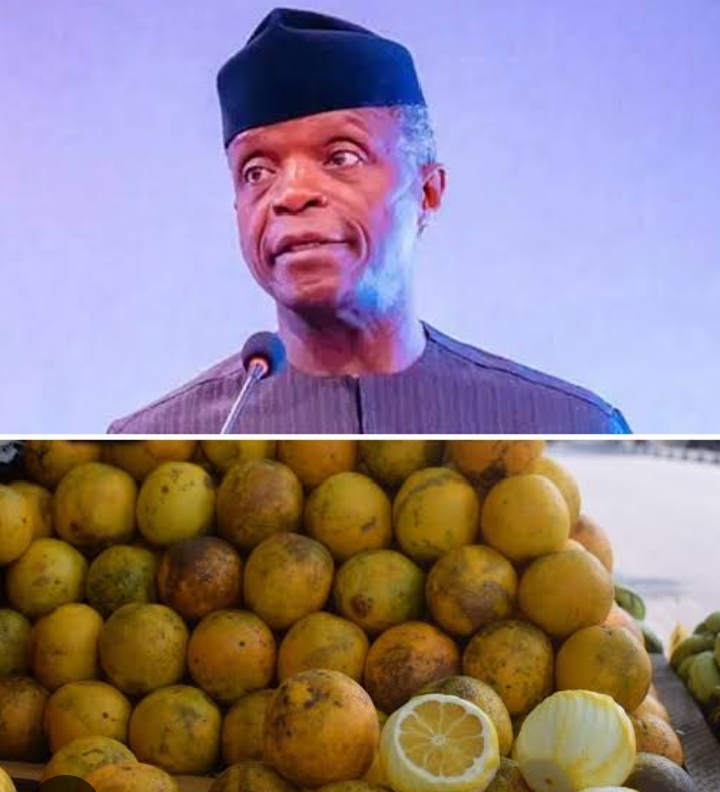
Former Vice President Yemi Osinbajo has raised concerns over the use of hazardous chemicals in the production, preservation and ripening of fruits and vegetables in Nigeria, revealing that a laboratory test once found his wife Dolapo Osinbajo’s freshly squeezed orange juice unfit for human consumption.
Osinbajo made the disclosure while speaking at the Open Day for Gardeners’ Seminar, themed “Leaving The Earth Better Than We Found It,” held in Lagos on August 28, 2026.
A video of the event, shared on Osinbajo’s YouTube channel on Wednesday, September 2, subsequently attracted widespread attention online.
According to the former Vice President, his wife had stopped taking carbonated drinks several years ago and adopted freshly squeezed orange juice as a daily alternative, believing it to be a healthier option.
However, she began experiencing unexplained headaches despite maintaining the habit.
Osinbajo said the family initially struggled to identify the possible cause of the symptoms because his wife had carefully examined other foods and drinks she consumed.
He said the situation prompted her to send a batch of the freshly squeezed orange juice for laboratory analysis.
“The results came back. It showed that the orange juice, freshly squeezed, was not fit for human consumption. This is freshly squeezed orange juice. Not fit for human consumption,” Osinbajo said.
He explained that the incident led him to examine the wider problem of potentially dangerous substances being used by some farmers and fruit traders to accelerate ripening, alter the appearance of produce or extend its shelf life.
Osinbajo names chemicals allegedly used on produce
Osinbajo particularly mentioned calcium carbide, a chemical he said was being used to force fruits such as bananas, mangoes and tomatoes to ripen and change colour rapidly.
He cited studies conducted in recent years to illustrate the scale of the concern.
According to him, a 2024 study found that 50 per cent of 20 fruit sellers interviewed admitted to using calcium carbide, while another study reportedly put the usage rate at 25 per cent among the sellers surveyed.
He also referred to a 2023 survey conducted among 50 fruit and vegetable retailers in Lagos, where 22 respondents, more than half, allegedly admitted to using chemicals to preserve their produce.
Osinbajo said substances mentioned in the surveys, apart from calcium carbide, included gamma-lin-20, Sniper and phosphite, describing phosphite as a highly toxic fumigant.
“So, this is almost, you know, like an epidemic,” he said, while expressing concern about the potential consequences for consumers.
The former Vice President stressed that the problem goes beyond the appearance of fruits and vegetables, warning that produce that looks fresh may not necessarily be safe for consumption.
‘Natural does not always mean safe’
Osinbajo urged Nigerians not to assume that food or drinks described as fresh or natural are automatically free from harmful substances.
“The fact that fruit looks fresh doesn’t mean that it is safe, and the fact that a drink is natural doesn’t mean that something dangerous has not been added to it along the way, especially along the journey from the farm to the table,” he said.
He called for stronger regulation and enforcement by relevant authorities, alongside increased public awareness and education for farmers and traders on safer methods of producing, preserving and marketing food.
He also encouraged consumers to be more vigilant by asking questions, examining produce carefully and reporting suspicious practices to the appropriate authorities.
Osinbajo’s warning comes amid growing concerns over counterfeit, adulterated and substandard food, medicines, cosmetics and other consumer products circulating in Nigerian markets.
Global Mirror News gathered that there have recently been several online campaigns drawing public attention to suspected fake or adulterated consumer goods.
One case that attracted significant attention involved suspected counterfeit Oral-B toothpaste. Other products mentioned in various online campaigns included allegedly dyed palm oil, artificially coloured apples, suspected fake soy sauce and olive oil, as well as counterfeit Hollandia yoghurt.
However, allegations involving specific products and practices require verification by the relevant regulatory authorities before they can be conclusively established.
As of the time of the original report, the Head of Enforcement at the National Agency for Food and Drug Administration and Control, NAFDAC, Dr Martin Iluyomade, had not responded to calls and WhatsApp messages seeking the agency’s reaction to the allegations.
The Standards Organisation of Nigeria, SON, reportedly directed enquiries on the matter to NAFDAC.
Osinbajo’s remarks have therefore renewed calls for closer monitoring of the food supply chain from farms and markets to homes to protect consumers from potentially hazardous substances and ensure that food products sold to Nigerians meet required safety standards.