
NAFDAC Raises Alarm Over Fake Goods, Says Chinese Suspects Now Running Local Networks
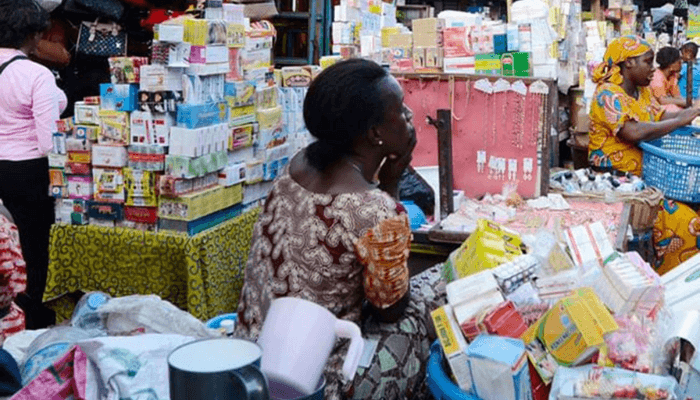
The National Agency for Food and Drug Administration and Control (NAFDAC) has uncovered what it described as a disturbing new dimension to Nigeria’s counterfeit-goods crisis, with the Agency alleging that some Chinese Nationals involved in counterfeiting have moved operations into the Country and established local production and distribution networks.
The revelation, made amid growing public outrage over fake and potentially harmful products in the Nigerian market, has renewed concerns about consumer safety, the survival of legitimate businesses and the broader economic consequences of counterfeit trade.
NAFDAC Director of Investigation and Enforcement, Martins Iluyomade, disclosed the development in Lagos on Monday, September 7, 2026, while responding to questions from Journalists.
According to Iluyomade, counterfeiters who previously operated outside Nigeria can now carry out significant parts of their activities within the Country, making the detection and control of fake products more challenging.
He explained that counterfeiters identify products with strong demand in Nigeria, arrange for them to be replicated and subsequently use established channels to distribute the fake products to Nigerian consumers.
Iluyomade said the development represents a major shift in the counterfeit trade.
He also alleged that NAFDAC’s investigations had identified cases where Chinese Nationals involved in counterfeiting their own logistics companies allegedly used to move the illicit products.
The enforcement Director said NAFDAC had consequently been shutting down some of the logistics companies linked to the activities.
Fake toothpaste, creams, water trigger public outrage
The latest NAFDAC disclosure comes as Nigerians have intensified their concerns over allegedly counterfeit consumer products circulating in different parts of the Country.
Social media discussions over the weekend drew widespread attention to suspected fake toothpaste, creams, bottled water and adulterated yoghurt drinks.
NAFDAC confirmed receiving complaints through its official reporting channels concerning counterfeit toothpaste, particularly products sold under popular brands such as Oral-B and Colgate.
Iluyomade said the Agency had already commenced investigations into the complaints, leading to arrests and seizures in several locations.
He identified Kano, Sokoto, Delta State and Onitsha in Anambra State among the areas where enforcement operations had been conducted.
He further disclosed that two suspects were being prosecuted in court over the alleged importation of fake toothpaste brands.
The Agency’s enforcement activities have become increasingly important as health professionals and other stakeholders warn that counterfeit products can expose consumers to unknown and potentially dangerous substances.
Over N1.5tn worth of products destroyed
The financial scale of the counterfeit crisis is equally significant.
NAFDAC Director-General, Prof. Mojisola Adeyeye, disclosed that the agency destroyed regulated products worth more than N1.5tn during a coordinated enforcement operation conducted across Lagos and the South-East between February and March 2025.
The operation formed part of a broader crackdown on counterfeit, falsified, substandard and unregistered products.
Since 2023, NAFDAC has destroyed or seized more than N1.54tn worth of fake and substandard goods nationwide, according to the Agency.
Adeyeye has also highlighted enforcement operations in major commercial centres, including the Upper Iweka drug market in Onitsha, as part of the agency’s campaign against the counterfeit-products network.
NAFDAC records 64 convictions
While seizures and destruction of fake products remain central to the Agency’s enforcement strategy, NAFDAC said it has also stepped up criminal prosecution of suspected offenders.
Iluyomade disclosed that the agency secured 64 convictions between June 2025 and June 2026, describing the figure as the highest number of convictions recorded by NAFDAC in its history.
He cited a case in which a court sentenced the operator of a laboratory involved in the counterfeiting of drinks to five years in prison after the accused was convicted on all eight counts.
The development, according to NAFDAC, demonstrates a stronger push to ensure that arrests over counterfeit products result in prosecutions and convictions rather than merely seizures and destruction of goods.
Manufacturers, experts demand stronger action
The latest revelations have further intensified calls for stronger action against counterfeiters and those who facilitate the movement of fake products.
Manufacturers have warned that counterfeit goods are eroding the market share of legitimate businesses, while medical experts have raised concerns about the possible consequences for consumers who unknowingly purchase adulterated or unregistered products.
Economists have also warned that the counterfeit trade damages legitimate investment, deprives businesses and government of revenue, undermines confidence in Nigerian markets and can ultimately weaken economic growth.
For consumers, the controversy has highlighted the importance of checking product authenticity, regulatory information and packaging before purchasing regulated products.
As the crackdown continues, Global Mirror News reports that NAFDAC’s latest findings suggest that Nigeria’s counterfeit crisis is becoming increasingly sophisticated, with enforcement authorities now confronting not only imported fake products but also alleged local production, logistics and distribution networks.
The Agency’s ongoing arrests, seizures, shutdowns and prosecutions will therefore remain critical in determining how effectively Nigeria can protect consumers and legitimate manufacturers from the expanding counterfeit market.