
Lassa Fever Crisis Deepens as Death Toll Rises to 252, Nigeria Records 1,035 Cases
The Nigeria Centre for Disease Control and Prevention (NCDC) has raised the alarm over the continued spread of Lassa fever in the Country, reporting that 252 people have now died from the disease in 2026, while confirmed infections have climbed to 1,035.
According to the latest Lassa fever situation report released by the NCDC in Abuja on Tuesday, September 1, 14 additional confirmed cases were recorded between August 10 and August 16, 2026, taking the cumulative number of infections recorded so far this year to 1,035.
Global Mirror News gathered that the latest cases were reported in Ondo, Bauchi, Edo and Benue States, highlighting the continued geographical spread of the disease across different parts of Nigeria.
The NCDC also disclosed that the number of deaths increased from 240 to 252 within the reporting period, while the case fatality rate (CFR) rose to 24.4 per cent, significantly higher than the 18.6 per cent recorded during the same period in 2025.
Cases fluctuate from week to week
The latest 14 confirmed cases represent a sharp increase compared with the four cases recorded during epidemiological week 32.
The NCDC said that during week 32, cumulative infections stood at 1,021, with 240 deaths and a case fatality rate of 23.5 per cent.
“By week 33, 23 States had reported at least one confirmed Lassa fever case across 117 Local Government Areas,” the Agency stated.
Global Mirror News reports that the figures show that although weekly infections have fluctuated, transmission of the disease remains active in several States.
The four cases recorded in epidemiological week 32 represented a decline from the 17 confirmed cases reported during week 31. However, the subsequent increase to 14 cases in week 33 underscores the unpredictable nature of Lassa fever transmission and the need for sustained surveillance.
With 23 States and 117 Local Government Areas already affected, health authorities are continuing surveillance, case detection and response activities in an effort to contain further spread.
What Nigerians should know about Lassa fever
Lassa fever is an acute viral haemorrhagic illness caused by the Lassa virus. The disease is endemic in parts of West Africa, including Nigeria, and can range from mild illness to severe, life-threatening disease.
The virus is primarily transmitted to humans through contact with food, household items or surfaces contaminated with the urine or faeces of infected rodents, particularly the multimammate rat.
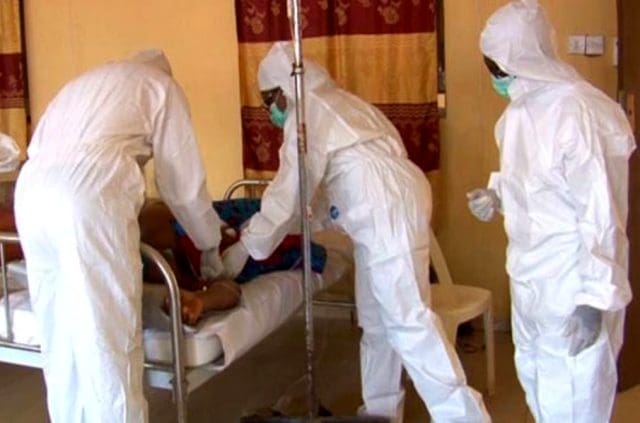
Person-to-person transmission is also possible, especially in healthcare settings when proper infection prevention and control measures are not followed.
Early symptoms can include fever, weakness, headache, sore throat, muscle pain, chest pain, vomiting, diarrhoea and abdominal pain. In severe cases, the illness can progress to bleeding, breathing difficulties, shock, organ failure and death.
Because early symptoms may resemble those of other common illnesses, prompt medical evaluation is important, particularly for people living in areas where Lassa fever has been reported.
NCDC urges Nigerians to take preventive measures
The NCDC has continued to encourage Nigerians to take measures that can reduce exposure to rodents and prevent the spread of Lassa fever.
Members of the public are advised to keep food in tightly sealed containers, maintain clean surroundings, dispose of waste properly and prevent rodents from gaining access to homes.
The Agency also advises Nigerians to avoid contact with rodents and their excreta and to keep household items and food away from places where rodents may contaminate them.
People experiencing symptoms associated with Lassa fever are encouraged to seek medical attention promptly rather than relying on self-medication.
Global Mirror News reports that healthcare workers also remain particularly important in the fight against the disease because person-to-person transmission can occur in healthcare facilities. Strict adherence to infection prevention and control practices is therefore essential when suspected or confirmed cases are being treated.
The NCDC said it would continue to strengthen surveillance and response activities as Lassa fever remains a major public health concern in Nigeria.
With the death toll now standing at 252 and confirmed infections at 1,035, health authorities are expected to maintain heightened vigilance across affected states while urging citizens to remain alert and observe basic hygiene and rodent-control measures.
Global Mirror News will continue to monitor developments and provide updates on the Lassa fever situation as further information becomes available.