

FG Clarifies Professional Certifications, Memberships Must Not Automatically Block Public Servants’ Promotion
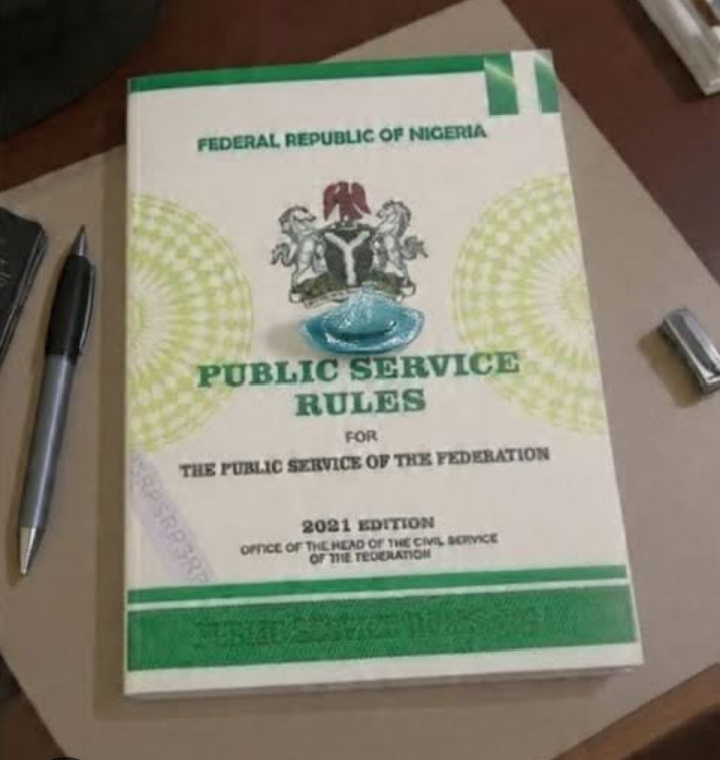
The Federal Government has clarified that membership of Professional Associations and possession of Professional Certifications should not, by themselves, automatically determine whether a public servant is appointed, promoted or allowed to advance in the Nigerian public service.
The position was reached by the National Council on Establishments (NCE), the highest body responsible for considering and harmonising establishment matters across the public service, comprising Heads of Service from the Federal Government, the 36 States and the Federal Capital Territory (FCT).
The resolution was contained in the minutes of the council’s 48th meeting, held in Port Harcourt, Rivers State, from July 20 to 24, 2026.
The meeting was chaired by the Head of the Civil Service of the Federation, Didi Esther Walson-Jack.
Professional membership not automatic condition for career progression
According to the Council, Professional Associations and Certifications have important roles to play in strengthening professional competence, promoting ethical standards and encouraging continuous professional development.
However, it stressed that belonging to a Professional Body should not automatically become a condition for the appointment, promotion or career advancement of a civil servant.
The clarification is particularly significant for workers whose professions are traditionally associated with professional associations and regulatory bodies.
The Council’s decision affects professionals across several sectors of the public service, including Accountants, Engineers, Lawyers, Procurement Officers, Surveyors, Architects, Medical practitioners, Teachers, Nurses and Pharmacists, among others.
However, the NCE made it clear that the decision does not amount to a blanket removal of professional qualifications or certifications from public service requirements.
It explained that professional membership or certification may remain compulsory where such a condition is expressly provided for in an approved Scheme of Service applicable to a particular cadre.
In effect, the Council’s position is that professional membership should not be imposed as an automatic requirement unless there is a formal basis for it within the applicable service rules.
This distinction means that specialised positions which genuinely require professional registration, certification or licensing can continue to maintain such requirements where they are properly recognised in the relevant Scheme of Service.
Competence and service rules remain central
The development comes against the backdrop of ongoing reforms by the Federal Government aimed at improving professionalism, competency, skills utilisation and service delivery across the public sector.
Under the public service system, career progression and promotion may take into account several factors, including an officer’s qualifications, experience, training, performance and the specific skills required for a particular cadre.
The Council’s latest position therefore places emphasis on ensuring that professional affiliations are used primarily to enhance competence and standards rather than becoming an automatic barrier to career progression.
Council approves harmonised entry-point framework
At the meeting, the National Council on Establishments also approved a Harmonised Entry Point Framework to guide the determination of entry points into different cadres across the public service.
The Council, however, acknowledged that proposals seeking enhanced entry points could have far-reaching implications for public sector administration, particularly in relation to finances and grade relativity across the service.
As a result, 10 memoranda concerning enhanced entry points were referred to a standing committee for detailed assessment, while five others were sent for further study.
The move is expected to allow the authorities to assess the wider administrative and financial implications of granting higher entry points before final decisions are taken.
Creation of new cadres put on hold
The Council also deferred five proposals for the creation of new cadres, pending the completion of a personnel audit and skills-gap analysis by the Office of the Head of the Civil Service of the Federation (OHCSF).
According to the Council, the exercise is necessary to establish the skills and competencies that are already available within the public service and identify areas where critical gaps exist.
The outcome of the audit and skills-gap assessment is expected to guide decisions on whether new cadres are actually necessary, thereby preventing unnecessary duplication of roles and ensuring that the public service is structured around genuine manpower needs.
Paramedics cadres approved
Despite deferring some proposals for new cadres, the Council approved the establishment of two paramedics-related cadres.
They are the Paramedics Assistant Cadre, covering Salary Grade Levels 04 to 07, and the Paramedics Technician Cadre, covering Salary Grade Levels 06 to 14.
The approval is expected to provide a clearer career structure for personnel performing paramedical functions within the public service.
Push for stronger Federal, State collaboration
The Council further called for stronger cooperation among the Federal Government, State Governments and the FCT administration in order to promote harmonised standards, professionalism and effective human-resource management across the public service.
The call reinforces the importance of maintaining consistency in establishment matters while recognising the operational realities of the different levels of Government.
Walson-Jack’s valedictory meeting
The Port Harcourt meeting also served as the valedictory session of Didi Esther Walson-Jack as Chairman of the National Council on Establishments.
Members of the Council commended her leadership and contributions to the development and administration of Nigeria’s public service during her tenure.
The latest resolutions are expected to have implications for human-resource management across Government institutions, particularly in the areas of recruitment, promotion, professional development, cadre structure and career progression.
For public servants, one of the key takeaways from the council’s decision is that professional association membership or certification should not automatically be treated as a universal condition for appointment or promotion unless the requirement is specifically backed by an approved Scheme of Service.
The clarification could help address longstanding concerns among public officers over situations where membership of professional bodies is treated as an additional requirement for career progression without a clear provision in the applicable service regulations.
The Council’s position, however, preserves the authority of approved service rules to require professional certification or registration for cadres where such qualifications are essential to the effective and lawful performance of specialised duties.
Global Mirror News gathered that the broader objective of the reforms is to ensure that Nigeria’s public service remains competency-driven, professionally structured and responsive to the changing manpower and skills requirements of Government.