

China Gives Brain Chips Green Light, Steps Up Race With Elon Musk’s Neuralink
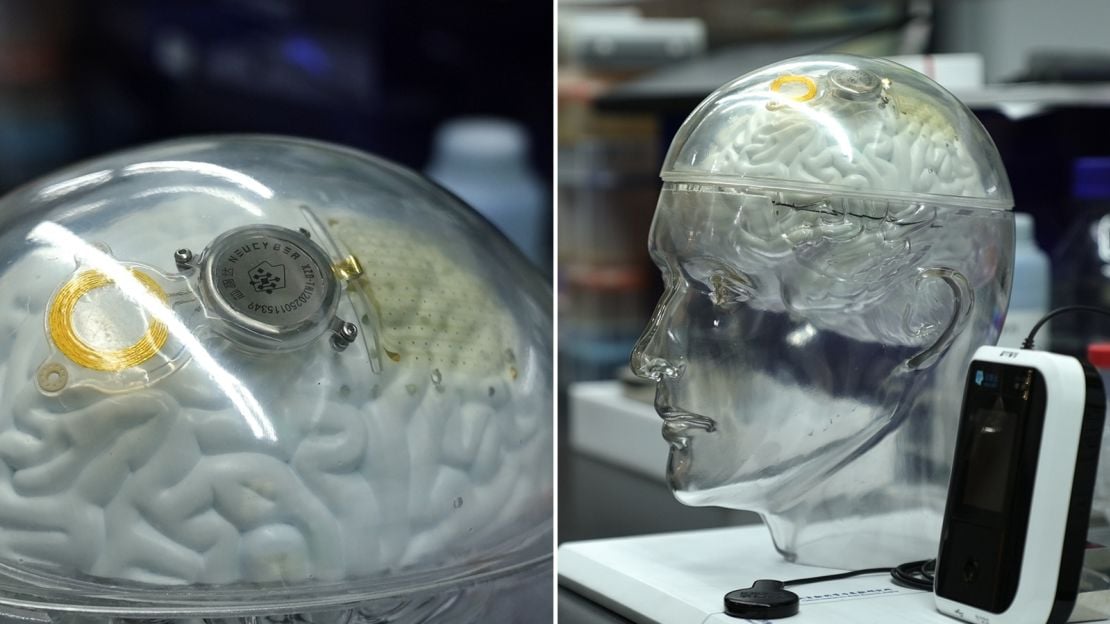
China is moving aggressively to position itself at the forefront of the emerging Brain-computer Interface (BCI) industry, with several domestic companies reportedly securing regulatory approval for devices that could compete with technologies being developed by Elon Musk’s Neuralink.
The approvals mark a significant step in China’s efforts to move brain-computer interface technology from laboratories and clinical research into wider commercial use.
Global Mirror News gathered that Chinese insurers have also begun introducing commercial policies that cover some of the invasive surgical procedures associated with brain-chip implantation.
Brain-Computer Interfaces are technologies designed to establish a direct communication pathway between the human brain and external electronic systems. By detecting and interpreting brain signals, the systems can potentially enable users to control computers, robotic limbs and other assistive devices without relying entirely on conventional physical movement.
China has identified BCI technology as a strategic industry as it seeks to strengthen its position in advanced technology and artificial intelligence. Earlier this year, the country became the first to approve BCI devices for commercial use, according to reports on the development.
Among the latest products to receive market approval is an electrode-equipped cap developed by Tianjin-based Tiankai Suishi Intelligent Technology. The device is already being sold and is designed to assist doctors in evaluating and diagnosing patients’ cognitive functions.
The development comes amid an intensifying international race to develop brain-interface technologies, with Chinese firms, US companies and other technology developers seeking breakthroughs that could transform healthcare and human-computer interaction.
At the centre of the global competition is Elon Musk’s Neuralink, which has been developing an implantable brain-computer interface aimed initially at helping people with severe paralysis interact with digital devices.
Musk has previously compared Neuralink’s coin-sized brain implant to a “Fitbit in your skull”, while suggesting that future generations of the technology could potentially enable deeper interaction between humans and artificial intelligence.
Speaking at an event last year, Musk went further, saying future developments could theoretically make it possible to preserve and reproduce memories and eventually transfer them into another physical form.
While some of Musk’s long-term predictions remain speculative, Neuralink has already moved beyond the purely experimental stage, conducting human trials involving people living with paralysis.
Early participants have included people with amyotrophic lateral sclerosis and quadriplegia. Trials have demonstrated that participants can use brain signals to control computers, offering a potential new communication pathway for people who have lost significant motor function.
Global Mirror News gathered that Neuralink has also expanded the potential applications of its technology beyond computer control. The company has reported that participants in its clinical trials have used Neuralink technology to control physical devices, including assistive robotic arms.
The company said in a social media post in December that participants had extended digital computer control to physical devices such as robotic arms, adding that it planned to increase the range of equipment that could eventually be operated through the brain interface.
Neuralink’s growing interest has also attracted substantial public attention. In October, the company said more than 10,000 people had registered their interest in participating in trials of its brain-chip technology.
Reports have indicated that at least 26 patients have either been enrolled in Neuralink trials or received its brain-computer interface implants, reflecting the increasing pace of human testing in the sector.
However, China’s push does not necessarily mean its technology has already caught up with Neuralink.
One Chinese developer, Beijing-backed NeuCyber Neurotech, acknowledged earlier this year that its most advanced product remained about three years behind Neuralink’s capabilities.
The admission highlights the technological gap that Chinese companies are attempting to close as regulators simultaneously create a framework for commercialising BCI products.
Beyond competition with Neuralink, China’s strategy reflects a broader ambition to establish domestic leadership in an emerging field that sits at the intersection of neuroscience, medicine, artificial intelligence, robotics and advanced computing.
The regulatory approvals could also accelerate investment in the sector and encourage more Chinese companies to develop products for medical diagnosis, rehabilitation and assistive technologies.
For patients suffering from paralysis and other neurological conditions, the technology could eventually provide new ways to communicate, operate computers and control robotic prosthetic or assistive devices.
At the same time, the rapid commercialisation of brain implants raises questions about surgical risks, long-term safety, data protection and the ethical implications of technologies capable of interpreting signals generated by the human brain.
For now, China’s regulatory moves demonstrate that the race to commercialise brain-computer interfaces is gathering momentum, with domestic Chinese companies seeking to narrow the technological gap with Neuralink while Beijing treats the sector as a strategically important part of its future technology ecosystem.