

US Announces Two Family Visa Routes to Permanent Residence, See Who Qualifies
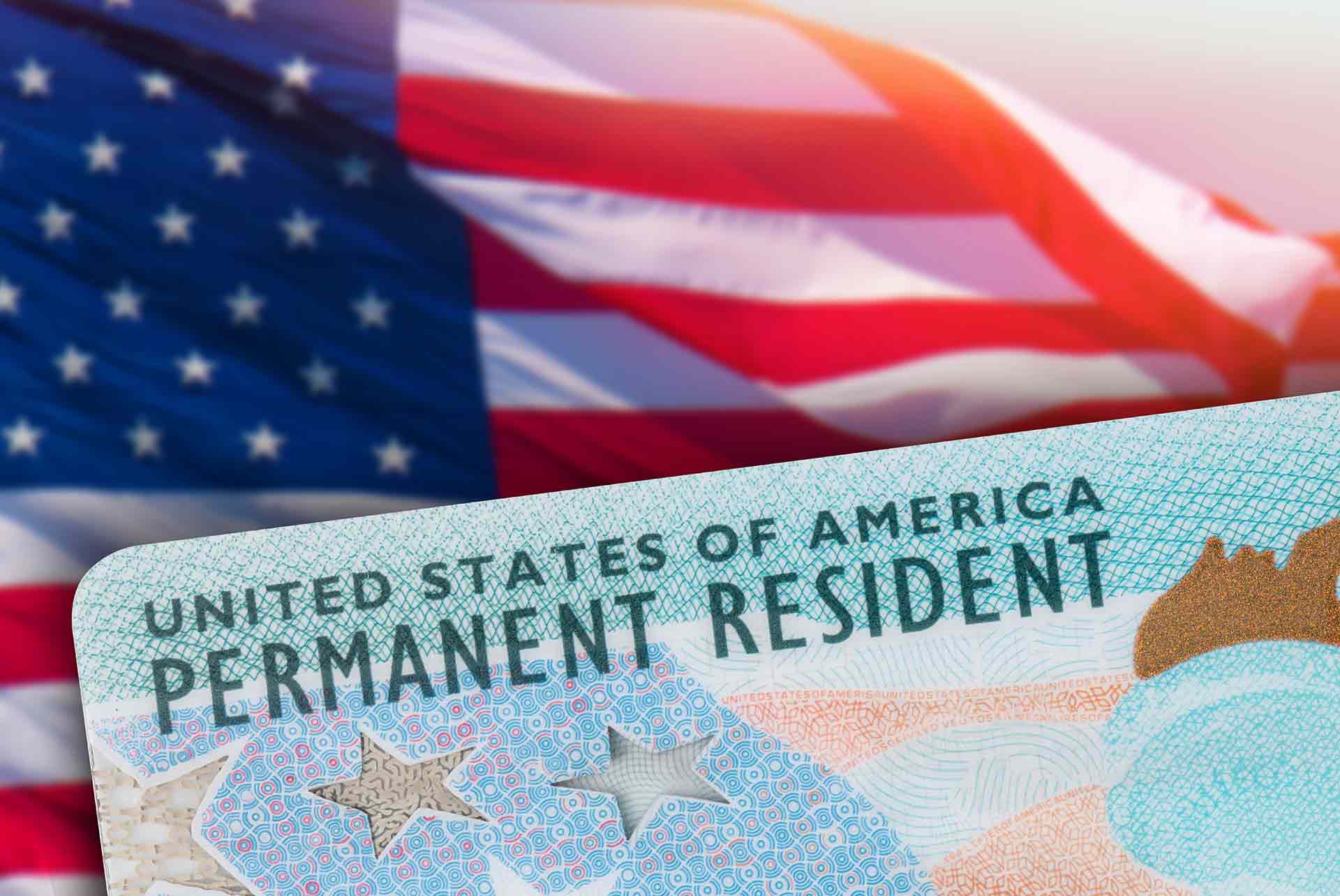
The United States Government has outlined two major family-based immigrant visa categories available to Foreign Nationals seeking to relocate to the Country permanently through qualifying family relationships.
The two categories are Immediate Relative visas and Family Preference visas, according to the U.S. Department of State’s September 2026 Visa Bulletin.
The clarification is particularly relevant to Nigerians and other foreign Nationals with close family members who are either United States citizens or lawful permanent residents, commonly known as green-card holders.
Global Mirror News gathered that although both visa categories are based on family relationships, they differ significantly in terms of eligibility, annual visa limits and the length of time applicants may have to wait before their cases can proceed.
The Department of State said a foreign National seeking to live permanently in the United States must obtain an immigrant visa and satisfy the requirements applicable to the relevant category.
Immediate Relative visas
The first category is the Immediate Relative visa, which is designed for certain close relatives of United States citizens.
The category covers the spouse of a U.S. citizen, unmarried children under the age of 21 of U.S. citizens, and parents of U.S. citizens who are at least 21 years old.
One of the major advantages of the Immediate Relative category is that it is not subject to an annual numerical limit.
This means the number of immigrants who can qualify under these immediate-relative categories is not capped each fiscal year in the same way as family-preference visas.
The U.S. Department of State explains that U.S. citizens may petition for their spouse, son or daughter, parent, or brother or sister, although the applicable immigrant visa category depends on the relationship and circumstances.
However, having a qualifying family relationship does not automatically guarantee permanent residence. Applicants must still complete the required immigration process and meet the relevant eligibility requirements.
Family Preference visas
The second category is the Family Preference visa, which applies to specified family relationships involving U.S. citizens and lawful permanent residents.
Unlike Immediate Relative visas, Family Preference visas are subject to annual numerical limits.
As a result, applicants may have to wait until an immigrant visa becomes available before they can complete the process.
The Department of State divides the Family Preference category into five major classifications.
F1 covers unmarried sons and daughters, aged 21 or older, of U.S. citizens.
F2A covers spouses and children of lawful permanent residents.
F2B covers unmarried sons and daughters, aged 21 or older, of lawful permanent residents.
F3 covers married sons and daughters of U.S. citizens.
F4 covers brothers and sisters of adult U.S. citizens.
The U.S. Department of State confirms that, unlike Immediate Relative visas, the number of immigrants admitted through these Family Preference categories is limited each fiscal year.
226,000 family-preference visas available in 2026
According to the September 2026 Visa Bulletin, the fiscal year 2026 numerical limit for family-sponsored preference immigrants is 226,000 visas.
Because demand can exceed the number of visas available, applicants in the preference categories are assigned priority dates and may have to wait before their cases become eligible for final action.
The September 2026 bulletin lists the following final action dates for applicants from most countries, excluding countries that have separate listings:
- F1: January 22, 2020 — unmarried sons and daughters of U.S. citizens aged 21 and above.
- F2A: August 22, 2026 — spouses and children of lawful permanent residents.
- F2B: August 22, 2019 — unmarried sons and daughters aged 21 and above of lawful permanent residents.
- F3: October 22, 2014 — married sons and daughters of U.S. citizens.
- F4: October 22, 2011 — brothers and sisters of adult U.S. citizens.
The bulletin also provides separate dates for applicants chargeable to China, India, Mexico and the Philippines, reflecting country-specific visa limitations and demand.
What are priority dates?
For applicants in Family Preference categories, the priority date is particularly important because it determines when an applicant’s case can move forward toward visa issuance.
Applicants whose priority dates are earlier than the applicable final action date may become eligible for final processing, subject to the other requirements of the immigration process.
However, visa availability is not necessarily permanent.
The Department of State cautions that dates can move forward or backward depending on demand and the number of visas available.
If demand increases significantly or annual visa limits are reached, the government may move a cut-off date backwards, a situation known as visa retrogression.
What this means for Nigerians
For Nigerians hoping to relocate to the United States through family sponsorship, the distinction between the two categories is important.
A Nigerian who qualifies as an immediate relative of a U.S. citizen falls into a category that is not subject to the annual numerical limit.
However, Nigerians applying through the Family Preference system may have to wait for visa availability depending on their specific category and priority date.
The U.S. Department of State states that a foreign citizen seeking permanent residence through family immigration must be sponsored by a qualifying relative who meets the relevant citizenship or lawful permanent resident requirements.
For lawful permanent residents, the Department of State states that they may petition for their spouse and unmarried son or daughter. U.S. citizens have broader family sponsorship options, including petitions for a spouse, son or daughter, parent, or brother or sister, with different visa classifications applying to the various relationships.
Applicants must meet immigration requirements
The publication of the September 2026 Visa Bulletin does not mean that every person with a relative in the United States automatically qualifies for permanent residence.
Applicants must fall within an eligible family relationship, obtain the appropriate immigrant visa and satisfy the applicable U.S. immigration requirements.
The process can also involve the U.S. Citizenship and Immigration Services, the National Visa Center and, for applicants outside the United States, the relevant U.S. embassy or consulate.
The Department of State explains that after an immigrant petition is approved, the National Visa Center assists eligible applicants with preparing their visa applications and interviews for applicable visa categories.
Global Mirror News gathered that the latest clarification provides an important guide for Nigerians and other foreign nationals considering family-sponsored immigration to the United States, particularly those trying to determine whether they fall under the uncapped Immediate Relative category or the numerically limited Family Preference system.
The key difference is that Immediate Relative visas are not subject to an annual numerical ceiling, while Family Preference visas are limited each fiscal year and can therefore involve significant waiting periods.
Prospective applicants are advised to check the applicable Visa Bulletin and official U.S. immigration guidance for their individual circumstances, as visa availability and priority dates can change.