

Ogun Raises Fresh Flood Alarm, Tells Residents in Risk Zones to Move to Safety
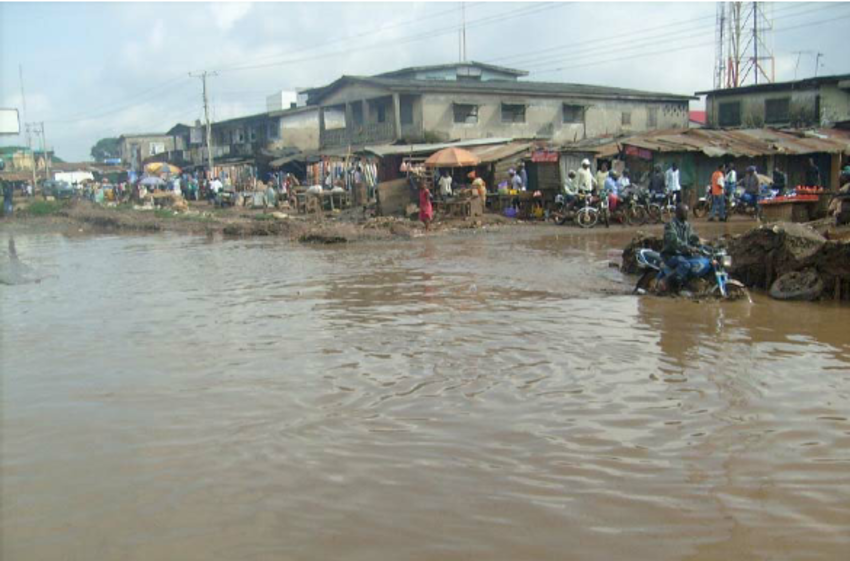
The Ogun State Government has issued a fresh warning over possible flooding as the second phase of the 2026 rainy season approaches, urging residents living in flood-prone communities to remain alert and move to safer areas where necessary.
The latest advisory followed the Seasonal Climate Prediction released by the Nigeria Meteorological Agency (NiMet), which listed Ogun among states expected to experience significant rainfall during the 2026 rainy season.
Global Mirror News gathered that the State Government’s warning became necessary following projections of intense rainfall expected in September, coupled with the possibility of river and coastal flooding in some vulnerable areas.
The Commissioner for Environment, Mr Ola Oresanya, disclosed this in a statement, explaining that the first phase of the rainy season, which lasted from mid-March to July, recorded heavy rainfall and isolated cases of flash flooding in some parts of the State.
According to him, however, the impact of the first phase was relatively limited because of measures put in place by the State Government to reduce flood risks and strengthen environmental management.
Oresanya said the Government had sustained public sensitisation and education campaigns, while also carrying out regular maintenance of rivers, streams and drainage channels across the State.
He added that improvements in waste management services had also contributed to reducing the blockage of drainage infrastructure and mitigating the impact of heavy rainfall.
The Commissioner disclosed that the Government had paid particular attention to major rivers, waterways and drainage corridors, including the Sokori River and its tributaries, Opa-Aro, Adiyan, Eruwuru, Yemule, Gbogidi Canal and Ijamido rivers and streams, among others.
September rainfall may hit 360mm
Oresanya said NiMet’s Seasonal Climate Prediction indicated that the second phase of the 2026 rainy season would begin in September, with Ogun State expected to record intense rainfall averaging approximately 360mm during the month.
He noted that rainfall activities in the inland parts of the state were projected to gradually reduce from October and continue declining into early November.
Despite the expected reduction, the Commissioner warned that the period could still expose some communities to serious flooding, particularly because of prolonged rainfall, possible controlled releases or overflow from Oyan Dam and tidal fluctuations.
He explained that tidal fluctuations could affect the velocity and free flow of water along the Ogun River, thereby increasing the possibility of water backing up into adjoining floodplains and wetlands.
According to him, the combined effect of prolonged rainfall, dam overflow and tidal conditions could temporarily saturate wetlands and floodplains, raising the risk of flooding in communities located within vulnerable areas.
Residents in Isheri, Arepo, Akute, others warned
The Commissioner consequently advised residents of Isheri, Arepo, Mawere, Magboro, Akute and Warewa, as well as residents in parts of Abeokuta, to remain vigilant and relocate to safer locations whenever the situation demands.
He stressed that residents in flood-prone areas should not wait until floodwaters rise before taking precautionary measures, urging them to pay close attention to Government alerts and weather information.
The warning also extends to coastal communities in Ogun State, including Makun-Omi, Iwopin, Oni, Ifaara and Igele in Ogun Waterside Local Government Area.
Other Communities listed in the advisory include Ebute-Imobi in Ijebu East Local Government Area; Tungeji Island and Agosasa in Ipokia Local Government Area; as well as communities situated along the floodplains of the Ilo and Iju Rivers.
Fish farmers urged to harvest stocks
Oresanya also issued a specific warning to fish farmers operating within floodplains and river corridors, advising them to harvest their fish stocks promptly to prevent avoidable losses should flooding occur.
He specifically mentioned fish farmers in Eriwe, Yemule, Ilase and Ayegbami, urging them, alongside operators in other flood-prone communities, to act immediately rather than wait for floodwaters to threaten their farms.
The Commissioner said early action by farmers could significantly reduce the economic losses associated with the destruction or escape of fish stocks during flooding.
Government Agencies directed to intensify preparedness
Meanwhile, the Commissioner called on Ministries, Departments and Agencies (MDAs), Local Government Authorities, emergency response organisations, community leaders and other stakeholders to intensify flood preparedness and response activities across the state.
He urged relevant authorities to maintain regular surveillance of identified vulnerable locations and ensure that drainage channels remain free from refuse, silt and other obstructions capable of restricting the movement of stormwater.
Oresanya also appealed to community leaders to strengthen sensitisation campaigns within their communities, stressing that early warnings, timely communication and prompt action remained critical to reducing the impact of flooding.
He encouraged residents to cooperate with government officials and emergency agencies whenever evacuation or other safety measures become necessary.
Ogun strengthens collaboration with NiMet, NIHSA
The Commissioner assured residents that the state government would continue monitoring weather forecasts and hydrological conditions in collaboration with NiMet, the Nigeria Hydrological Services Agency (NIHSA), the Ogun-Osun River Basin Development Authority and other relevant stakeholders.
He said the government would continue to implement measures aimed at reducing the adverse effects of flooding and protecting lives and property across Ogun State.
Oresanya also appreciated residents for their cooperation with the Government’s environmental and flood-prevention measures, noting that such cooperation contributed to the relatively low impact of flooding recorded during the first phase of the 2026 rainy season.
He, however, urged residents not to become complacent, but to remain vigilant throughout the remaining rainy season.
The Commissioner advised members of the public to take the latest flood alert seriously, avoid risky areas during heavy rainfall and remain responsive to further updates from the state Government, emergency agencies and relevant weather authorities.
The Government maintained that early preparedness and responsible environmental practices remained among the most effective ways of protecting communities from the potentially devastating consequences of flooding.