

NAFDAC Insists Sachet Alcohol Ban Stands, Intensifies Nationwide Enforcement
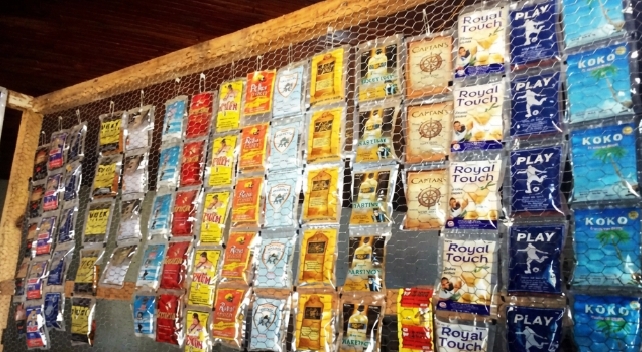
The National Agency for Food and Drug Administration and Control (NAFDAC) has reaffirmed that its ban on the production, distribution and sale of sachet and other small-volume alcoholic beverages remains in force, stressing that there will be no reversal of the policy aimed at protecting public health, Global Mirror News reports.
The Agency disclosed that enforcement operations are already ongoing across the Country, with regulatory officials intensifying surveillance to ensure full compliance by manufacturers, distributors and retailers.
Speaking during an interview, NAFDAC’s South-East Zonal Director, Dr. Festus Ukadike, said the Agency has begun a comprehensive crackdown on businesses that continue to produce or distribute alcoholic drinks packaged below the approved volume.
According to him, the current phase of the exercise targets manufacturers and distributors, while the next stage will focus on removing the remaining prohibited products from markets nationwide.
Ukadike explained that the policy is not intended to cripple legitimate businesses, noting that manufacturers are free to continue producing alcoholic beverages provided they are packaged in bottles or containers of 200 millilitres and above, in line with existing regulations.
He revealed that enforcement teams have already recorded several arrests and confiscated banned products across the South-East, including Enugu, Imo, Abia, Ebonyi and Anambra states.
The NAFDAC official emphasized that one of the major objectives of the ban is to reduce underage access to alcohol and discourage the growing rate of substance abuse among young Nigerians.
“If our children are no longer exposed to sachet alcohol, they will live healthier lives, curb antisocial behaviours and support the Nation’s fight against cancer and other alcohol-related diseases,” Ukadike stated.
He further urged Nigerians to consume alcoholic beverages responsibly, insisting that the removal of sachet alcohol from the market should not be viewed as a significant inconvenience.
Responding to concerns over the affordability of larger alcoholic beverage packs, Ukadike maintained that public health and the safety of Nigerians must take precedence over commercial interests.
According to him, within the next 12 months, Nigeria is expected to operate under a strengthened regulatory framework that prohibits the sale of any alcoholic drink packaged in containers smaller than 200ml.
Meanwhile, the policy has continued to generate mixed reactions among consumers.
A resident, Charles Otubo, argued that instead of a total ban, authorities should restrict the sale of alcoholic drinks in motor parks, where excessive drinking has been linked to road accidents involving commercial drivers.
Another consumer, identified simply as Godwin, supported stricter regulation, saying he had witnessed schoolchildren purchasing sachet alcoholic drinks, concealing them in their school bags and taking them to school.
He suggested that alcoholic beverages should only be sold through licensed liquor stores to prevent easy access by minors and reduce alcohol abuse among young people.
NAFDAC has consistently maintained that the restriction forms part of broader efforts to safeguard public health, discourage underage drinking and promote responsible alcohol consumption across Nigeria.