Presidency: Sahel Nations’ Exit Weakens ECOWAS, Deepens West Africa’s Integration Crisis
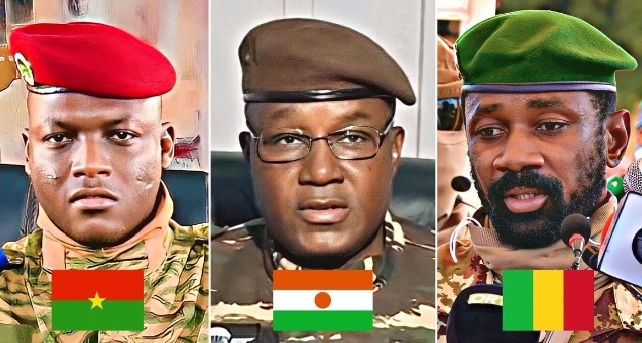
The withdrawal of Burkina Faso, Mali and Niger from the Economic Community of West African States (ECOWAS) has weakened important regional integration mechanisms and created fresh challenges for cooperation across West Africa, the Nigerian Presidency has said.
The Presidency made the position known through the Special Adviser to President Bola Tinubu on Media and Public Communications, Sunday Dare, who spoke on Thursday at a policy colloquium organised by the Ministry of Defence in Abuja.
Dare said the decision by the three Sahelian Countries to leave the regional bloc had disrupted established mechanisms designed to promote economic integration, facilitate trade and support the movement of goods and services across member States.
The three Countries formally exited ECOWAS in January 2025 after announcing their intention to withdraw from the organisation in 2024. Since then, Burkina Faso, Mali and Niger have intensified their cooperation under the Alliance of Sahel States (AES), which has emerged as an alternative regional framework.
“The rupture that came in 2025, when the countries pulled out of ECOWAS, created a major regional crisis,” Dare said.
He noted that the development had not only affected ECOWAS integration efforts but had also introduced a competing regional structure in the form of the AES.
According to him, the situation underscores the importance of effective border management to both economic integration and regional security, describing national borders as a critical frontline in efforts to maintain stability.
Dare explained that properly managed borders could encourage legitimate trade and movement of people and goods while simultaneously helping security agencies prevent activities that could threaten National and regional stability.
He stressed that weak border controls could provide opportunities for criminal networks and other security threats to operate across National boundaries.
The Presidential aide also dismissed claims that Nigeria had shut its borders, insisting that the Country’s borders remained open, although movement and commercial activities were subject to necessary controls by relevant Government Agencies.
“Nigeria’s borders are open,” Dare said, while warning politicians against turning border security into an issue for electoral campaigns or using it to score political points.
He explained that the term “open borders” should not be misunderstood to mean unrestricted movement, stressing that immigration, customs and other Security Agencies still had statutory responsibilities to regulate activities at Nigeria’s entry and exit points.
“Our borders are critical. There are no open borders without controls. So, you must understand there is a distinction,” he said.
Global Mirror News gathered that the development continues to raise concerns about the future of regional integration in West Africa, particularly as ECOWAS seeks to preserve economic cooperation and security coordination among its remaining members while navigating its changed relationship with the three Sahelian states.